
This post from a poet on Facebook inspires this post:
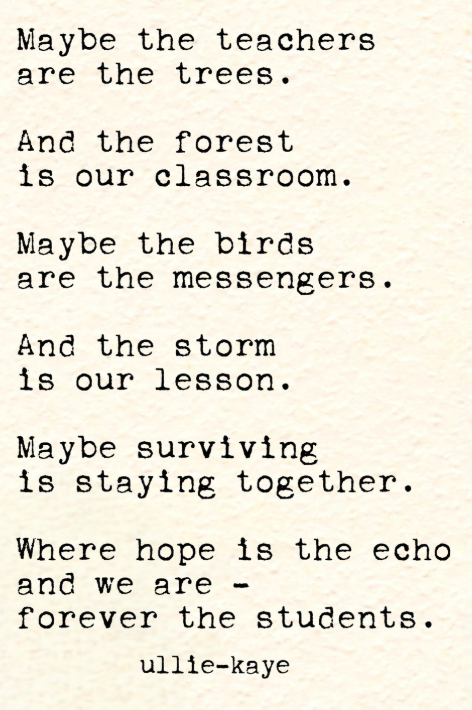
Hope is definitely the echo we try to hear on the farm throughout the days and years. Hope that this life we have taken on will continue to teach us that "la vie est belle"; and coach us in patience and general faith in the Good. Perennial agriculture is a different kind of farming...
Every year, vast stretches of farmland are planted, harvested, tilled and planted again. It’s the rhythm of modern agriculture — familiar, efficient, and, in many ways, exhausting for the land itself.
But what if the secret to a healthier food system and a sustainable ecological farm isn’t in doing more each year, but in starting over less often?
That’s the idea behind perennial agriculture, a quiet movement we are part of - more than 12 years ago we began planting and tending a long lived nutrient rich berry crop with a potential lifespan of many decades if managed successfully. Unlike annual crops — which must be replanted from seed every season — perennials grow back year after year. Their deep, enduring roots stay anchored in the soil, transforming the landscape from the ground up. We're working away at ecologically diverse perennial agriculture with our haskap orchard as the centrepiece, and by adding incremental steps to enhance our perennial plantings and encourage biodiversity every year.
This approach, which is closely aligned with permaculture and regenerative agriculture, creates a cascade of ecological benefits.
With living roots in place year-round, soil erosion slows dramatically. Those roots weave through the earth like an underground web, storing carbon, holding moisture, and feeding the soil life that annual tillage often destroys. Rain sinks in instead of running off. Fields stay more resilient during droughts. The land itself begins to behave more like a natural ecosystem again — stable, flexible, alive. We are far from perfect in our work with the land, but we learn every year; and do what we can to keep making it better.
The ecological advantages of perennial crop systems ripple throughout the natural ecosystems they are connected to. With fewer fertilizer and pesticide demands, nutrient pollution drops, meaning less nitrogen and phosphorus flowing into rivers and lakes. Pollinators and wildlife return, finding steady habitat among long-lived plants. Weeds and pests balance out naturally, thanks to dense root networks and the diversity of mixed perennial systems.
Perhaps most remarkably, perennial farming turns food production from disruption into collaboration. Instead of clearing nature away each season, perennials invite it back in — aligning agriculture with the processes that sustain life rather than those that deplete it.
And while this approach might sound idealistic, it’s profoundly practical. With no need for yearly replanting, costs and fuel use drop, and the soil grows more fertile over time rather than less. At scale, perennial systems could restore degraded lands, rebuild topsoil, slow desertification, and re-establish natural buffers along waterways.
In the end, perennial agriculture isn’t just about new crops — it’s about a new mindset. It asks us to see farming not as a yearly battle against nature, but as a long, patient, partnership with it where we are constantly learning and adapting.
When roots stay in the ground, something else begins to take root too: the idea that our food systems can regenerate the planet that feeds us.